FAQs Find a Doctor
The SKYTROFA Auto-Injector photo The SKYTROFA Auto-Injector photo

The SKYTROFA Auto-Injector

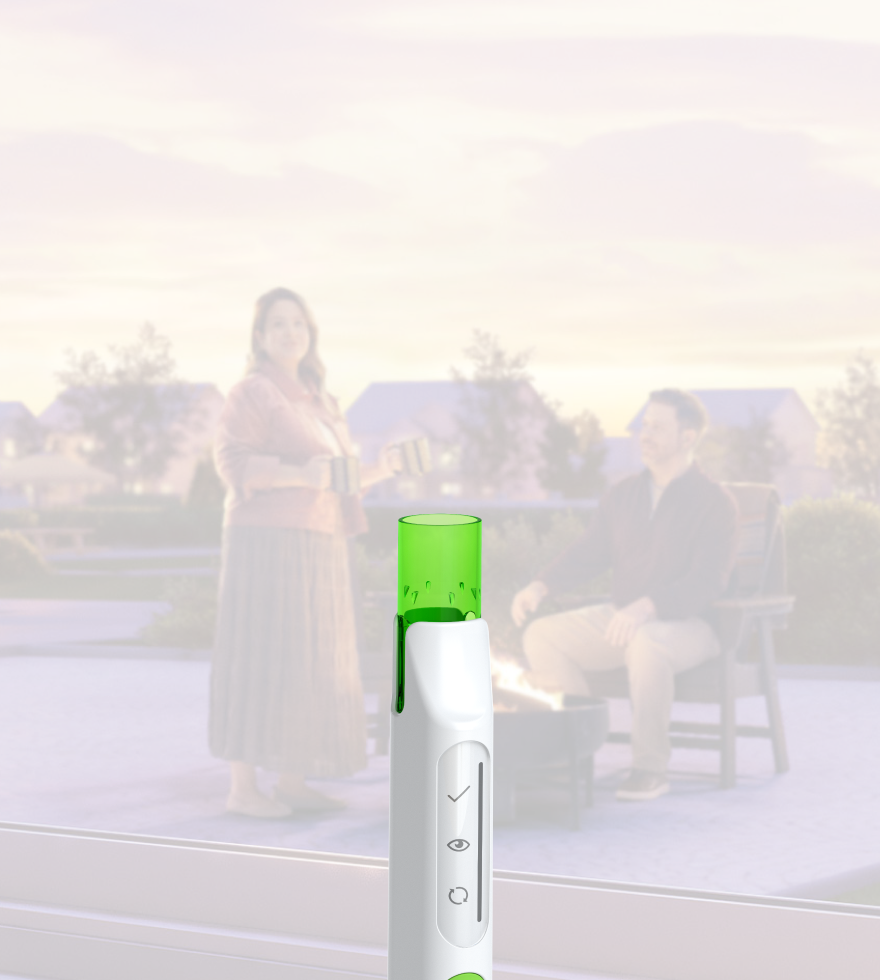
The award-winning SKYTROFA Auto-Injector was designed with patients in mind and is the only once-weekly treatment for aGHD with a permanent needle guard that keeps the needle hidden during injections.


Not an actual patient

Prep, inject, and go with innovative features of the SKYTROFA Auto-Injector

no refrigeration Ico

No refrigeration, no preservatives

SKYTROFA cartridges do not need to be refrigerated for up to 6 months.* Each single-dose cartridge contains only the active ingredient (lonapegsomatropin‑tcgd), diluent, and sterile water.

premeasured dose icon

Pre-measured doses means
no dialing

The SKYTROFA Auto-Injector delivers a single use injection with no dose dialing—delivering the full dose—while automated cues guide you through each step.

thin needle icon

Thin needle size—keeping your comfort in mind

Every SKYTROFA injection uses a pre-filled cartridge with a thin, 31-gauge needle featuring a built-in guard that conceals the needle during injections.

* Store SKYTROFA in the original package to protect from light. Do not freeze. SKYTROFA can be stored at room temperature (not to exceed 86°F [30°C]) for up to 6 months. Alternatively, SKYTROFA can be stored under refrigeration at 36°F to 46°F (2°C to 8°C) until the expiration date. If refrigerated, keep at room temperature for 15 minutes before use. Do not use SKYTROFA beyond the expiration date or 6 months after the date it was first removed from refrigeration (whichever is earlier).

How to use the SKYTROFA Auto-Injector

For detailed instructions, download and read the Instructions for Use.

Volume SVG Icon Volume-none SVG Icon Volume-strike SVG Icon
Loading video...

Video Loading Error

Please ensure all video files are in the correct location.

close
Helpful Hints
0:00
0:00
play

It is important to be trained by an HCP on how to use your auto-injector prior to first use.

Quick Reference Guide

Use this step-by-step guide as a reference after you’ve completed your
 SKYTROFA Auto-Injector training.


woman with AI photo
Not an actual patient

Get a text when it's time to inject

The A·S·A·P Messaging Service is here to help you stay on track with SKYTROFA, no matter how busy life gets.

Sign up for weekly injection text reminders.


IMPORTANT SAFETY INFORMATION & USES

SKYTROFA is a prescription medicine used for:

  • the replacement of growth hormone in children 1 year old or older who weigh at least 26 pounds (11.5 kilograms) with growth hormone deficiency (GHD)
  • the replacement of growth hormone in adults with growth hormone deficiency (GHD)

Do not take SKYTROFA if:

  • you have a critical illness caused by certain types of heart or stomach surgery, trauma or breathing problems
  • you are allergic to somatropin or any of the ingredients in SKYTROFA
  • you are a child with closed bone growth plates
  • you have cancer or other tumors
  • you have certain types of eye problems caused by diabetes
  • you are a child with Prader-Willi syndrome who is severely obese or has breathing problems including sleep apnea (briefly stopping breathing during sleep)

Tell your healthcare provider if you are pregnant or plan to become pregnant, about all of your medical conditions, and about all the medicines you take. SKYTROFA may affect how other medicines work, and other medicines may affect how SKYTROFA works.

What are the possible side effects of SKYTROFA?

SKYTROFA may cause serious side effects, including:

  • serious allergic reactions. Get medical help right away if you have swelling of the face, mouth, tongue, or throat or trouble breathing
  • high risk of death in people who have critical illnesses caused by heart or stomach surgery, trauma, or serious breathing problems
  • increased risk of growth of an existing tumor or cancer, or increased risk of a previous tumor or cancer returning in people who were treated with radiation to the brain or head as children and who developed low growth hormone problems. Your healthcare provider will need to monitor for the growth or return of a tumor or cancer. Contact your healthcare provider if you start to have sudden changes in behavior, headaches, vision problems, or changes in moles, birthmarks, or skin color
  • new or worsening high blood sugar or diabetes. Your blood sugar may need to be monitored during treatment with SKYTROFA
  • increase in pressure in the skull. Contact your healthcare provider if headaches, eye problems, nausea, or vomiting occur
  • too much fluid in the body (fluid retention). Contact your healthcare provider if you notice swelling in the hands and feet, pain in the joints or muscles, or nerve
    problems that cause pain, burning or tingling in the hands, arms, legs, and feet
  • decrease in a hormone called cortisol. Your healthcare provider will do blood tests to check your cortisol levels
  • decrease in thyroid hormone levels. Decreased thyroid hormone levels may affect how well SKYTROFA works. Your healthcare provider will do blood tests to check your thyroid hormone levels
  • hip and knee pain or a limp in children (slipped capital femoral epiphysis). This may lead to a serious condition where bone tissue dies due to a lack of blood supply (osteonecrosis). Get medical help right away for children who develop a limp or have hip or knee pain
  • worsening of curvature of the spine in children (scoliosis)
  • severe and constant abdominal pain. This could be a sign of pancreatitis. Tell your healthcare provider about any new abdominal pain
  • loss of fat and tissue weakness in the area of skin you or your child inject. Talk to your healthcare provider about rotating the areas where SKYTROFA is injected
  • high risk of sudden death in children with Prader-Willi syndrome who are severely obese or have breathing problems, including sleep apnea
  • increase in phosphate, alkaline phosphatase, and parathyroid hormone levels in your blood. Your healthcare provider will do blood tests to check this

The most common side effects of SKYTROFA in children include: viral infection, fever, cough, nausea and vomiting, bleeding, diarrhea, stomach area pain, joint pain and arthritis

The most common side effects of SKYTROFA in adults include: swelling due to fluid build-up and low thyroid hormone

These are not all of the possible side effects of SKYTROFA. Call your doctor for medical advice about side effects. You are encouraged to report side effects to FDA at 1-800-FDA-1088 or at www.fda.gov/medwatch. You may also report side effects to Ascendis Pharma at 1-844-442-7236.

Please click here for SKYTROFA full Prescribing Information.